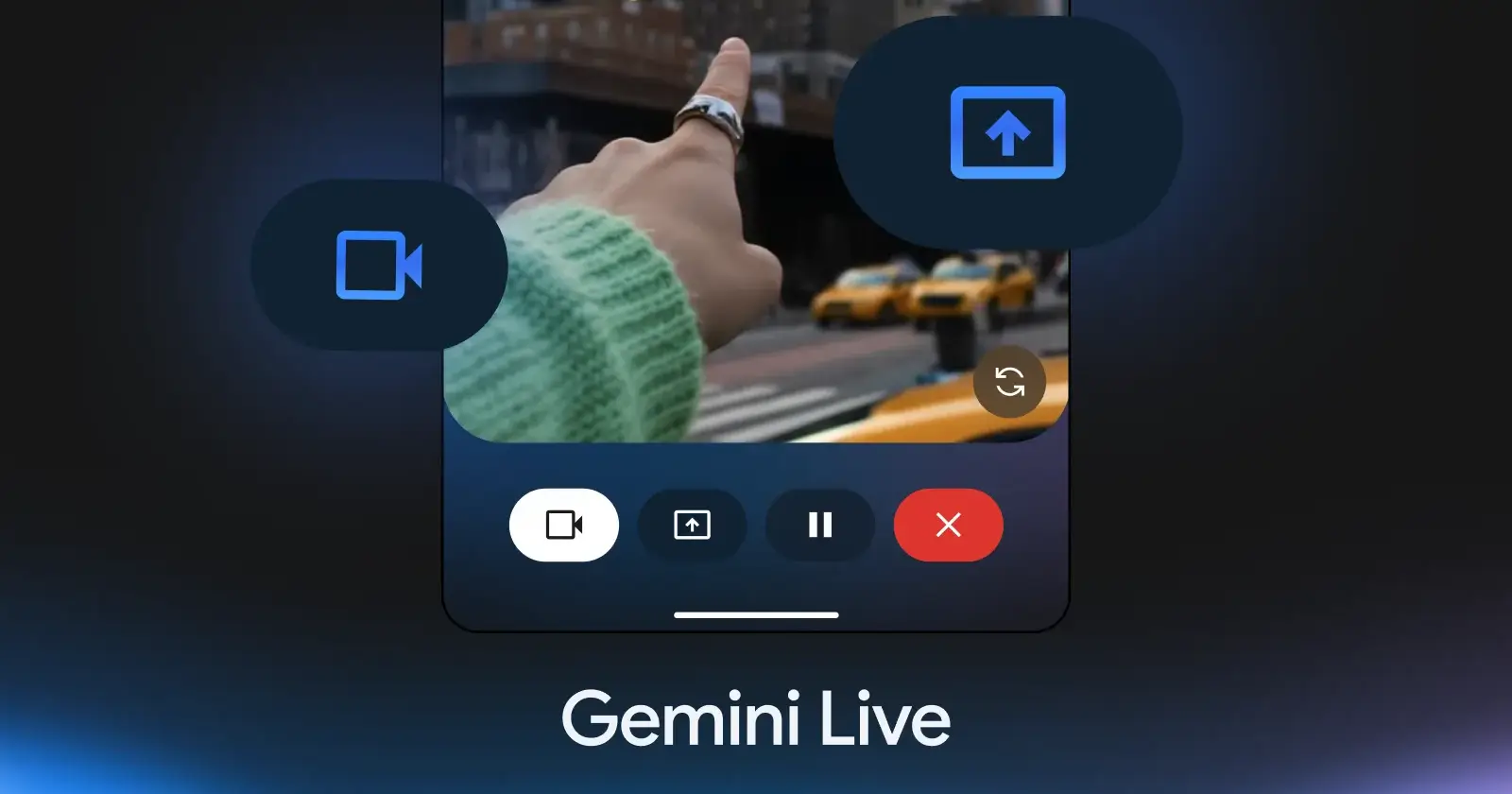
Google recently announced some neat upgrades for Gemini Live, its conversational AI. With the April update, you’ll be able to show Gemini things through your camera or share your screen for help. Imagine pointing your camera at a weird plant and asking Gemini what it is, or sharing your screen to get help with a confusing app. Sounds useful, right? And for buyers of the upcoming Pixel 9 series, including the Pixel 9, Pixel 9 Pro, Pixel 9 Pro Fold, and Pixel 9a, these new tricks will be available without needing a separate Gemini Advanced subscription.
At first glance, that sounds pretty good. A cool new feature, free for the latest phones. But hold on a second. If you own any other Pixel phone, even last year’s flagship, or any other Android device, you’ll need to pay for the Gemini Advanced subscription to use these exact same camera and screen sharing features in Gemini Live. Suddenly, the offer for Pixel 9 users looks less like a gift and more like a carefully placed carrot.
This isn’t really about Google being generous to its newest customers. It feels more like a strategic move, a glimpse into a future where more and more features are locked behind subscriptions. We’re all getting tired of everything turning into a monthly payment, as Jerry Hildenbrand recently pointed out over at Android Central. It feels like we barely own the software on our devices anymore. Google’s approach with Gemini Live on the Pixel 9 seems like another step down that path.
Think about it. Google is using a desirable AI feature to make its brand-new, premium-priced phones more attractive. The ‘free’ access isn’t truly free; it’s part of the value proposition you’re paying for when you buy the Pixel 9. It differentiates the new hardware and gives people a reason to upgrade. More importantly, it gets users hooked on an advanced AI feature.
Someone like me on a Pixel 8 now needs to dish out a good amount of money just to use a single feature. That frankly makes no sense! I know some of you might point towards server costs to justify charging for Gemini Live, but that’s not the point of this.
My question is, what happens next year, or the year after? What happens when Pixel 9 users upgrade or want the same features on another device? They’ll likely face the same paywall others are facing now. By offering it ‘free’ initially on select hardware, Google normalizes the idea that such features should eventually cost extra. It sets a precedent. Today it’s advanced AI chat features, tomorrow it could be camera modes or unique software tricks currently baked into the Pixel experience.
Previously, the typical excuse to not bring new features to older phones was hardware incompatibility. But now that phones are more powerful than ever, I guess companies are now seeing AI as their potential cash cow.
This feels like a blueprint. Debut exciting features as ‘free’ exclusives on the latest hardware, condition users to rely on them, and then slowly move them behind the subscription wall for everyone else, eventually including those initial users. It’s a classic lock-in strategy disguised as a perk. While the new Gemini Live feature sound impressive, the way Google is rolling it out raises concerns. It suggests a future where the phone in your hand is just the beginning of the payments, and core experiences become subscription services.


Dwayne Cubbins
3137 Posts
I cover fast-moving stories across apps, online platforms, and everyday tech — phones, wearables, consoles, and whatever else people are fighting with this week. Bugs, rollouts, scams, policy enforcement, and the occasional internet-culture rabbit hole are all fair game. My goal is simple — make confusing tech news readable. When I'm not working, I'm working out or chilling with my dog. Got a tip? You can find me on X @dcubbins.
Next article View Article